
Drop In Truck Bed Liner
Plastic Drop-In Bed Liners for Trucks: Pros, Cons, and Why They’re Needed
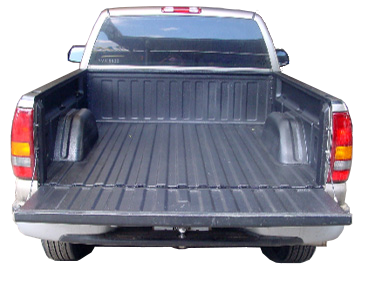
For many truck owners, protecting the cargo bed is a priority. The bed of a pickup truck is designed to carry heavy loads, tools, equipment, and materials that can quickly scratch, dent, or wear down the metal surface. One of the most common solutions for protecting this area is a plastic drop-in bed liner. These liners are molded plastic shells that fit directly into the truck bed, creating a protective barrier between the cargo and the truck’s metal surface.
Plastic drop-in bed liners are typically made from high-density polyethylene (HDPE) or similar durable plastics. They are manufactured to match the dimensions of specific truck models and are designed to “drop in” and secure to the bed using fasteners or existing holes. Because they are pre-formed, installation is usually quick and straightforward, often taking less than an hour.
Advantages of plastic drop-in bed liners is protection.
The truck bed can easily be scratched or chipped when hauling construction materials, landscaping supplies, tools, or recreational gear. Over time, exposed metal can begin to rust, especially in wet or humid environments. A plastic liner helps shield the paint and metal from direct contact with cargo, reducing the risk of corrosion and preserving the truck’s appearance and resale value.Another benefit is affordability. Compared to other truck bed protection options, drop-in liners are often relatively inexpensive. Many truck owners choose them because they provide solid protection without requiring a large investment. In addition, they are removable. If a liner becomes damaged or the owner wants to clean underneath it, the liner can be taken out and replaced easily.
Durability is also a strong point. Plastic drop-in liners are built to withstand heavy loads and frequent use. They resist dents and can handle rough materials like gravel, firewood, bricks, and metal tools. Their ribbed surface also helps keep cargo slightly elevated from water or debris that may collect in the bed.
DISADVANTAGES OF plastic drop in bed liners
Here are a few drawbacks. One of the most commonly mentioned issues is that they can allow moisture to become trapped underneath. If water gets between the liner and the metal bed, it may remain there for extended periods. Over time, this trapped moisture can lead to rust if the area is not inspected or cleaned regularly.
Another potential downside is cargo movement. The hard plastic surface is relatively smooth, which can cause items to slide around during transport. This can be inconvenient when carrying equipment that needs to stay in place. Some truck owners add rubber mats or tie-down straps to help keep cargo secure. Installation can also require drilling in certain cases.Although many liners use existing mounting points, some models may need additional holes to secure the liner properly. This can be a concern for owners who want to avoid modifying their truck bed.
Despite these disadvantages, plastic drop-in bed liners remain a popular option for truck owners who want a simple, cost-effective way to protect their vehicle. By reducing scratches, dents, and paint damage, they help maintain the truck’s condition over time. For people who frequently haul equipment, construction materials, or outdoor gear, a bed liner is often considered a practical and worthwhile investment.